>>
30-MINUTE MEALS! Get the email series now →


A simple, hands-off loaf that delivers a tender crumb and golden crust — no kneading required. Perfect for busy weeknights and gluten-free kitchens.
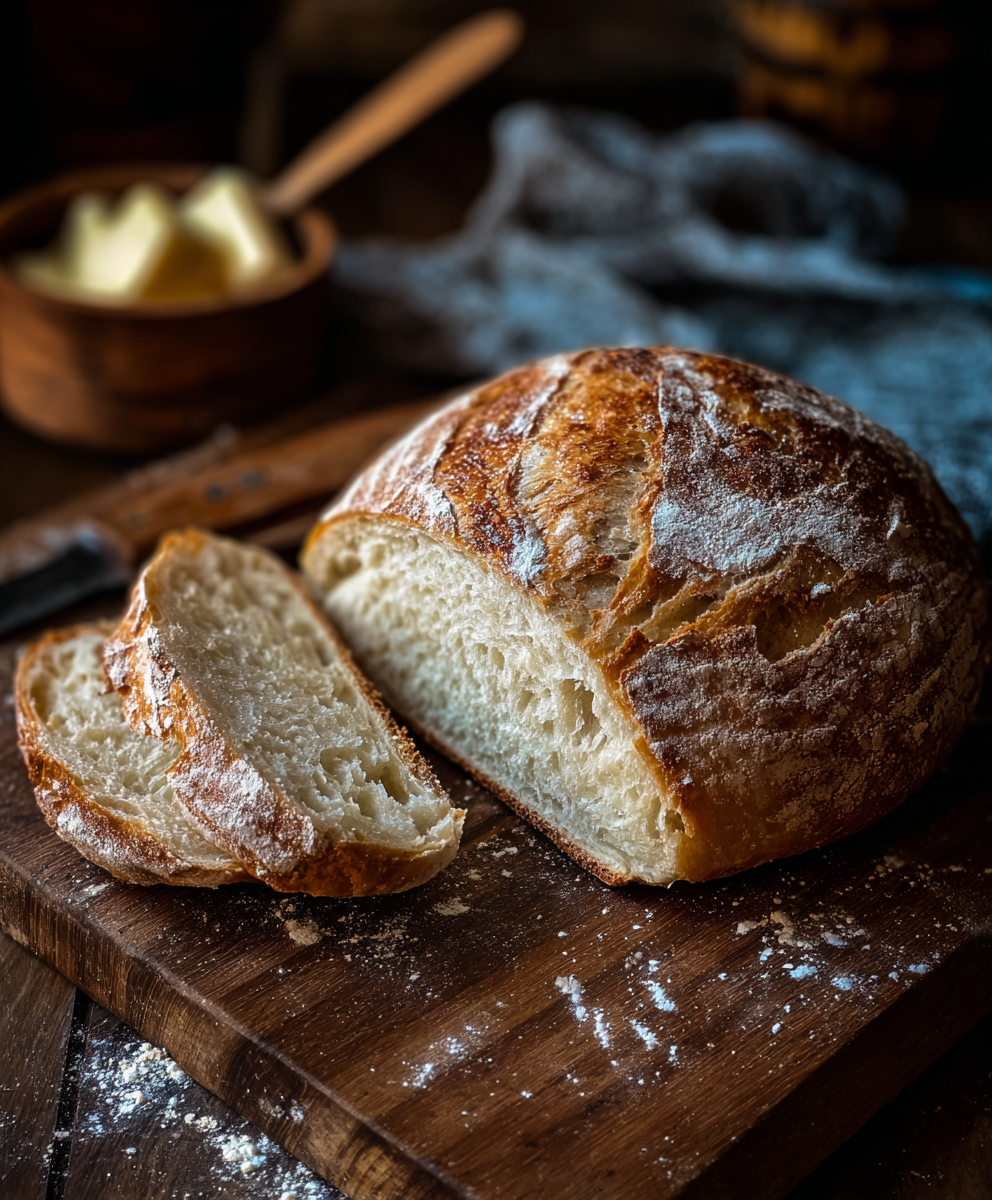
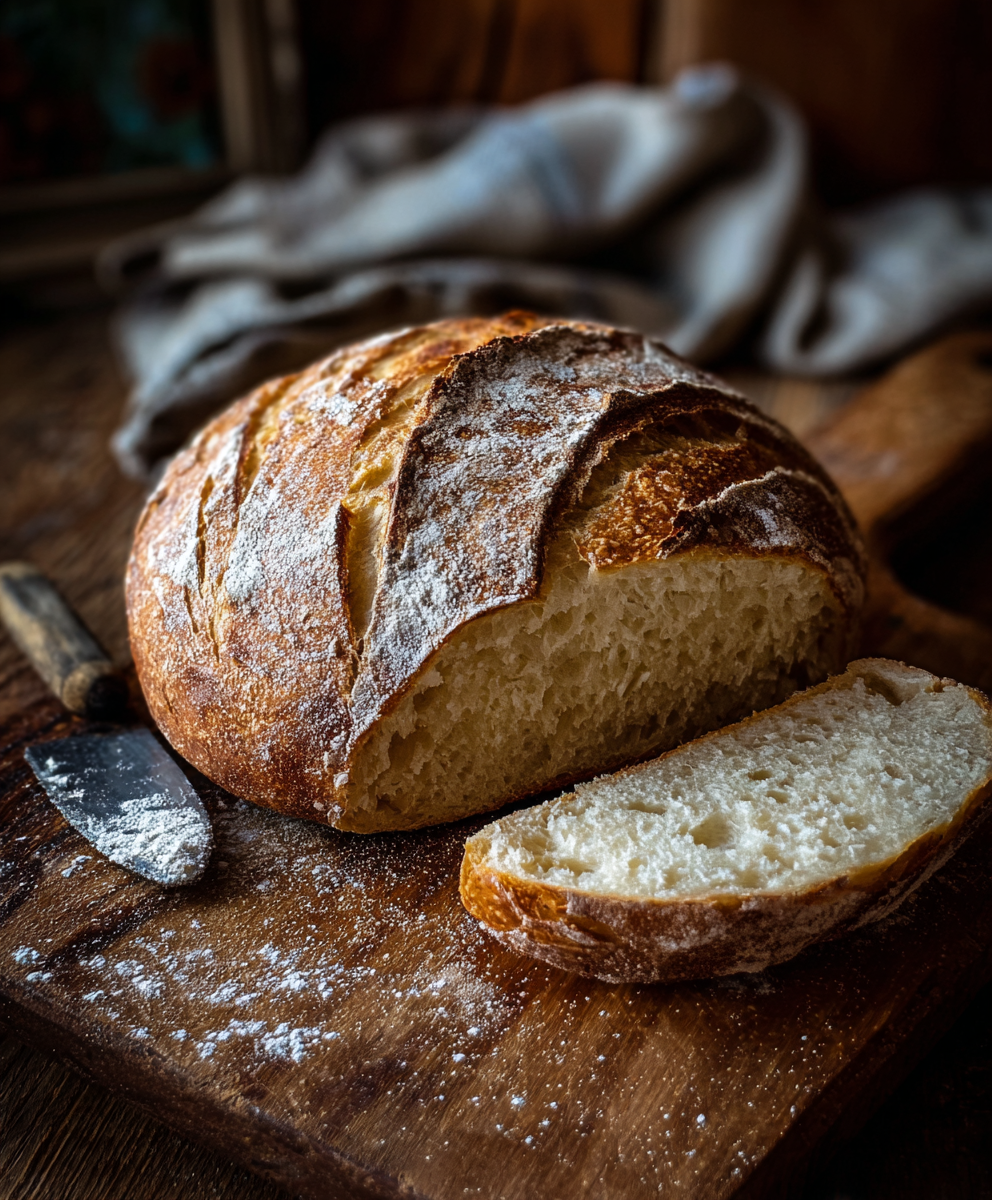
This no-knead gluten free loaf became a weekday hero in my kitchen the moment I stopped worrying about kneading and started trusting simple chemistry. I first put this together on a rainy afternoon when I had only a few pantry staples and a craving for fresh bread. The result was surprising: a tender, slightly chewy crumb and a crisp exterior that made us pause and slice another piece. It’s the kind of bread that brings people to the table — soft enough for toast, sturdy enough for sandwiches, and mild enough to pair with sweet or savory toppings.
I remember the first time I served it to friends who weren’t on a gluten-free diet: they reached for seconds without hesitation. This loaf is forgiving, fast, and remarkably consistent. Even though the dough never sees a rolling pin, a long, gentle rise and the right baking vessel create great oven spring and texture. If you’re new to gluten-free baking, this is a warm, encouraging place to start — it removes choreography from the process so you can focus on flavor and good company.
From the first time I made it, the family adopted this loaf as a staple. I often double the batch for gatherings, and I love how guests compliment the aroma as it bakes. Over several seasons I tweaked water temperature, resting time, and oven setup until the crust and crumb reached a happy balance — a small, reliable ritual in my week.
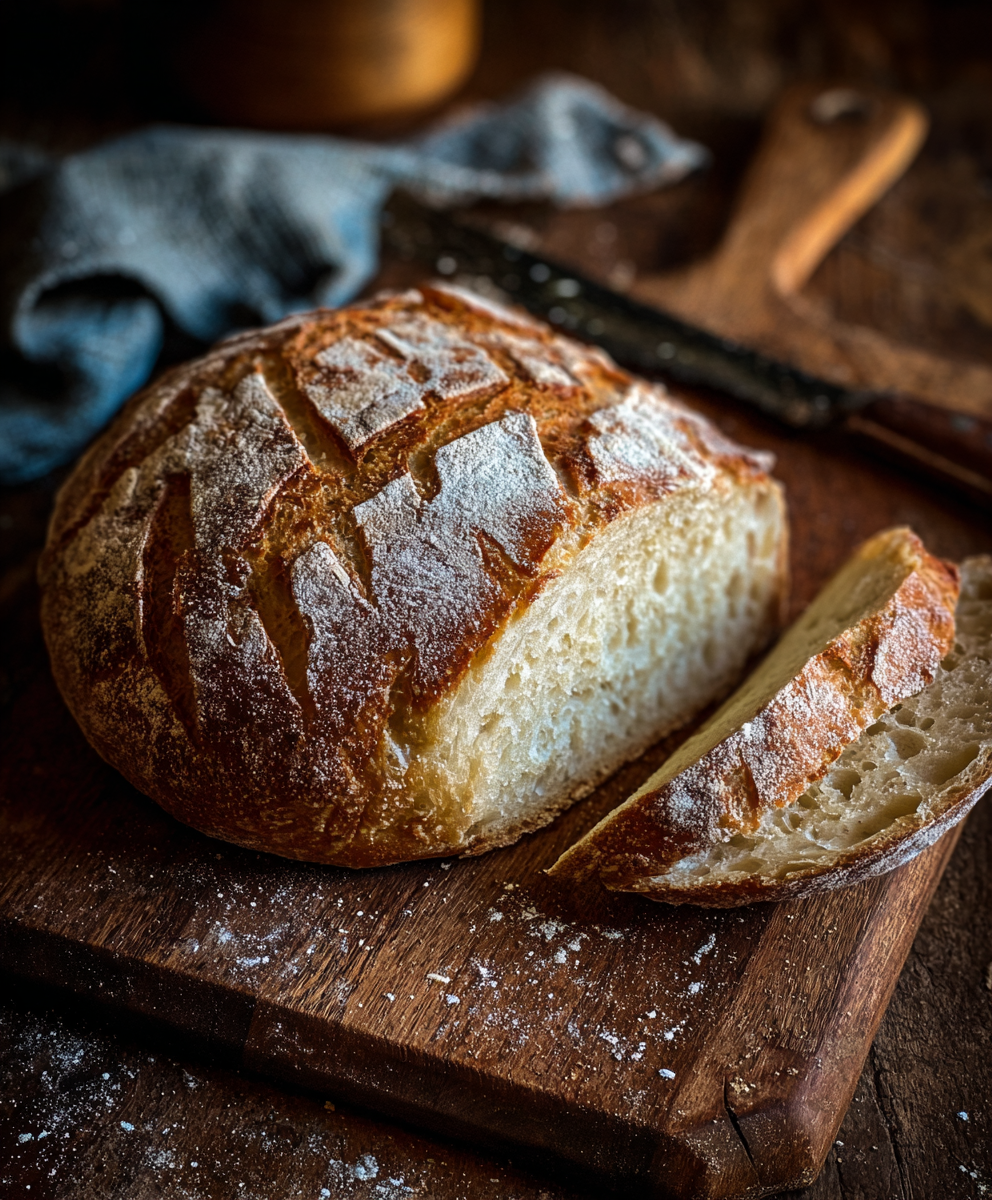
One of my favorite aspects is how reliably this method produces a loaf even when life is hectic. I’ve mixed the dough while making dinner, left it to rise during a short movie, and put a fresh loaf on the table without a big time investment. Friends often ask how a no-knead loaf can have such character — the trick is the hot Dutch oven and a precise, patient rest.
Store the cooled loaf at room temperature wrapped in a clean tea towel inside a bread box for 2–3 days to maintain crust texture. For longer storage, slice and freeze in airtight bags for up to 3 months; remove slices individually and toast or reheat in a 350°F oven for 8–10 minutes. Avoid refrigerating for everyday use — refrigeration accelerates staling. If you notice any off-odors or mold, discard immediately. For short-term keeping, a paper bag inside a loose plastic bag balances airflow and moisture so the crust stays crisp while the crumb remains tender.
If your all-purpose blend does not contain xanthan gum, add 1/2 teaspoon xanthan gum for better elasticity. To make this loaf oil-free, swap the olive oil for 1/4 cup unsweetened applesauce — expect a slightly denser crumb. If you prefer a richer taste, replace up to half the water with unsweetened almond milk (ensure it’s at the same warm temperature). For a sweeter loaf, increase sugar to 2 tablespoons or include 1 tablespoon honey; this will deepen browning and add sweetness. Seed lovers can fold in 2–3 tablespoons of sunflower or flaxseed for extra texture.
Serve warm slices with a drizzle of good olive oil, flaky sea salt, and a wedge of lemon for an elegant snack. For breakfast, toast and top with ricotta and jam or avocado and a squeeze of lime for savory mornings. It’s an excellent base for open-faced sandwiches with smoked salmon, cucumber, or roasted vegetables. For soups and stews, the slightly chewy crumb soaks up broths without disintegrating. Garnish with fresh herbs, or brush the crust with garlic butter for an indulgent appetizer.
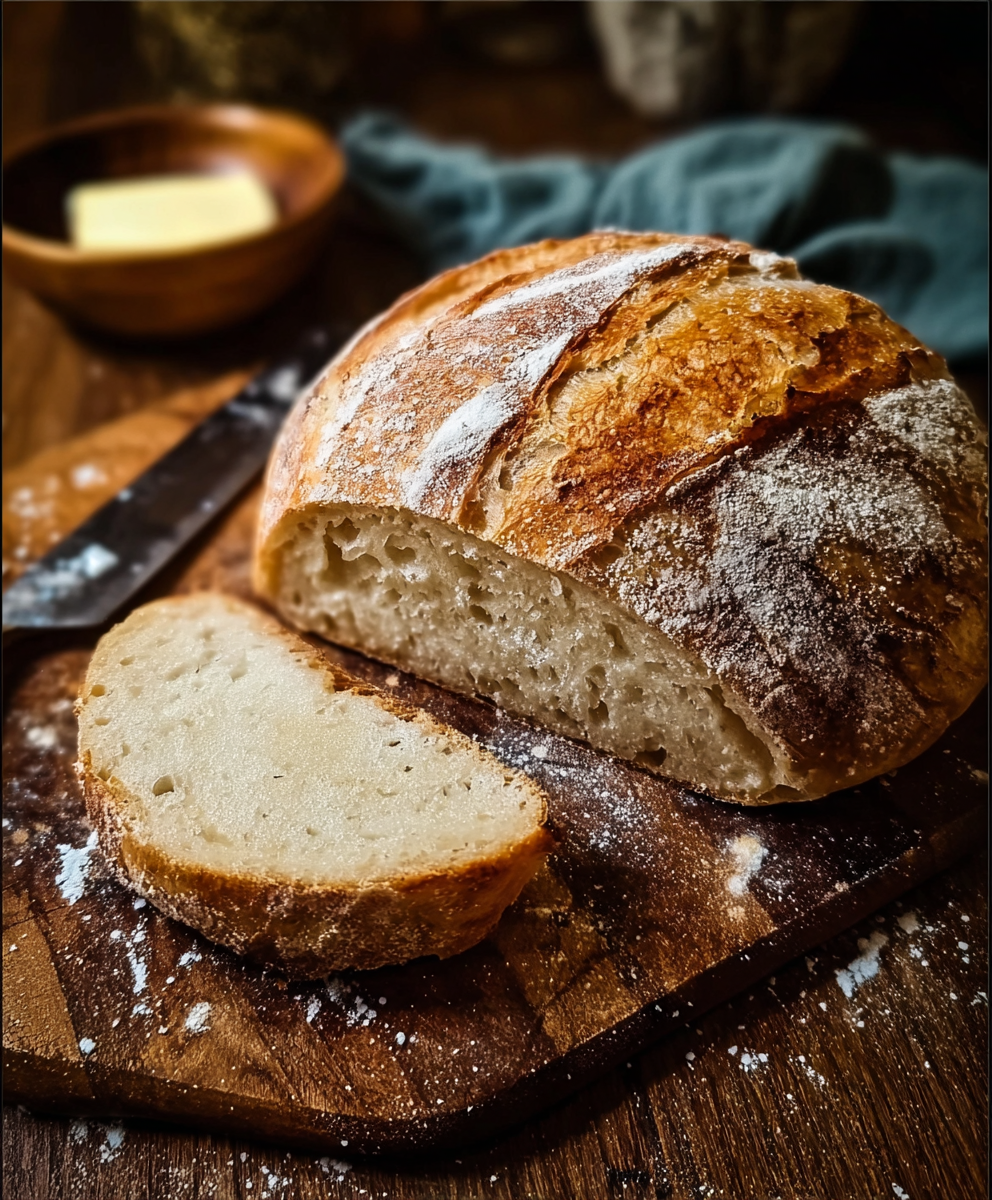
Autumn invites folded-in roasted pumpkin puree and 1 teaspoon pumpkin pie spice for a cozy loaf; reduce water slightly to account for the puree’s moisture. In summer, add 2 tablespoons chopped fresh herbs (thyme, rosemary) and 1 tablespoon lemon zest for a bright, herby profile. Holiday gatherings tolerate a sweeter loaf — stir in 1/4 cup dried cranberries and 1/4 cup chopped walnuts (if no nut allergy) for texture and festive color.
Mix the dough the night before and refrigerate covered for up to 12 hours; a cold overnight rise develops more complex flavor. When ready, bring the dough to room temperature for 30–45 minutes before shaping and baking — this reduces baking time and helps oven spring. For packed meals, slice and wrap portions in parchment and seal in airtight containers to prevent freezer burn. Label with the date and use within three months for peak quality.
Readers have told me this loaf rescued last-minute dinner parties and became a staple for new bakers. One friend sent a note after serving it at a potluck: "People couldn’t believe it was gluten-free!" Another family liked that it turned into perfect sandwich bread for the kids — sturdy enough for school lunches and mild enough that picky eaters accepted it readily. These stories remind me that simple techniques can have big, joyful results.
There’s something comforting about a loaf that asks for so little and gives so much. Make this your own by experimenting with flours and add-ins, and enjoy the small ritual of turning basic pantry staples into warm, shareable bread. Invite someone over, slice a piece, and watch how quickly a simple loaf brings people together.
Use warm water (105–115°F) to activate yeast without killing it; test by feeling warm but not hot.
Preheat your Dutch oven for at least 30 minutes to ensure strong oven spring and a crisp crust.
Let the loaf cool at least 30–45 minutes before slicing to allow the crumb to set and prevent a gummy texture.
This nourishing no-knead gluten free bread recipe is sure to be a staple in your kitchen. Enjoy every moist, high protein slice — it is perfect for breakfast or as a wholesome snack any time.
Yes. Use active dry yeast but proof it first in the warm water with the sugar for 5–10 minutes until foamy before mixing into dry ingredients.
Yes — slice and freeze in an airtight bag for up to 3 months. Toast slices directly from frozen.
Aim for 105–115°F water to activate yeast without damaging it. Too-hot water reduces rise.
This No-Knead Gluten Free Bread recipe makes perfectly juicy, tender, and flavorful steak every time! Serve with potatoes and a side salad for an unforgettable dinner in under 30 minutes.
Whisk together flour, salt, yeast, and sugar in a large bowl to aerate and evenly distribute components.
Stir warm water and olive oil into the dry mix until a sticky dough forms; the batter should be wetter than traditional wheat dough.
Cover and let the dough rest in a warm place for 60–90 minutes until it looks puffed and bubbly; watch for surface bubbles.
Turn the dough onto parchment, dust lightly with gluten-free flour, and fold into a loose round without vigorous handling.
Preheat a Dutch oven to 450°F. When hot, transfer the dough on parchment to the pot, score the top, and cover.
Bake covered for 25 minutes, then remove the lid and bake 12–18 minutes until deep golden and internal temp reaches about 200–205°F.
Cool the loaf 30–45 minutes on a wire rack before slicing to allow the crumb to set.
Last Step: Please leave a rating and comment letting us know how you liked this recipe! This helps our business to thrive and continue providing free, high-quality recipes for you.
Leave a comment & rating below or tag
@moodcooks on social media!
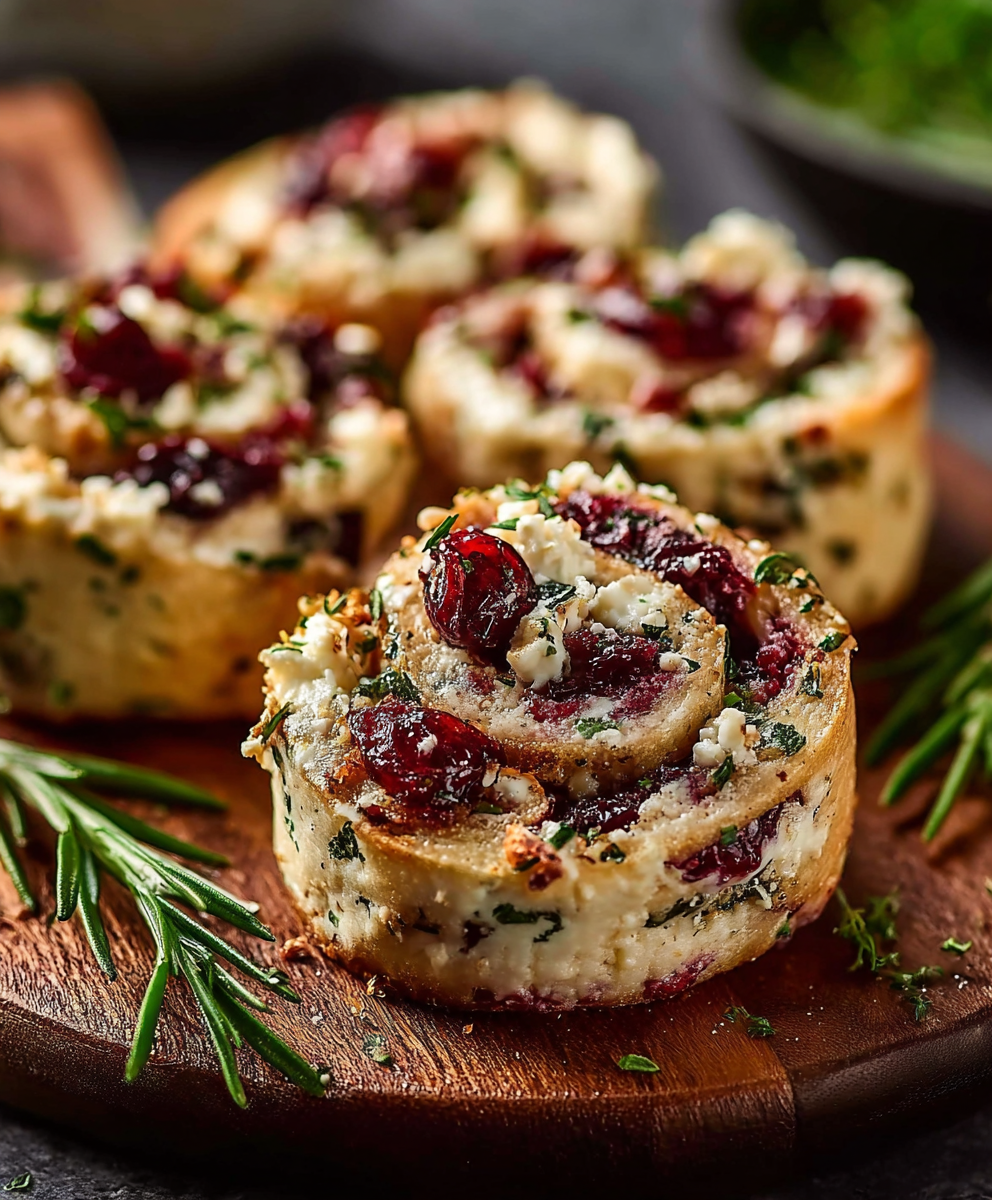
Buttery puff pastry rolled with tangy cream cheese, bright cranberries, salty feta and fresh herbs — effortless, elegant pinwheels perfect for gatherings or a cozy snack.
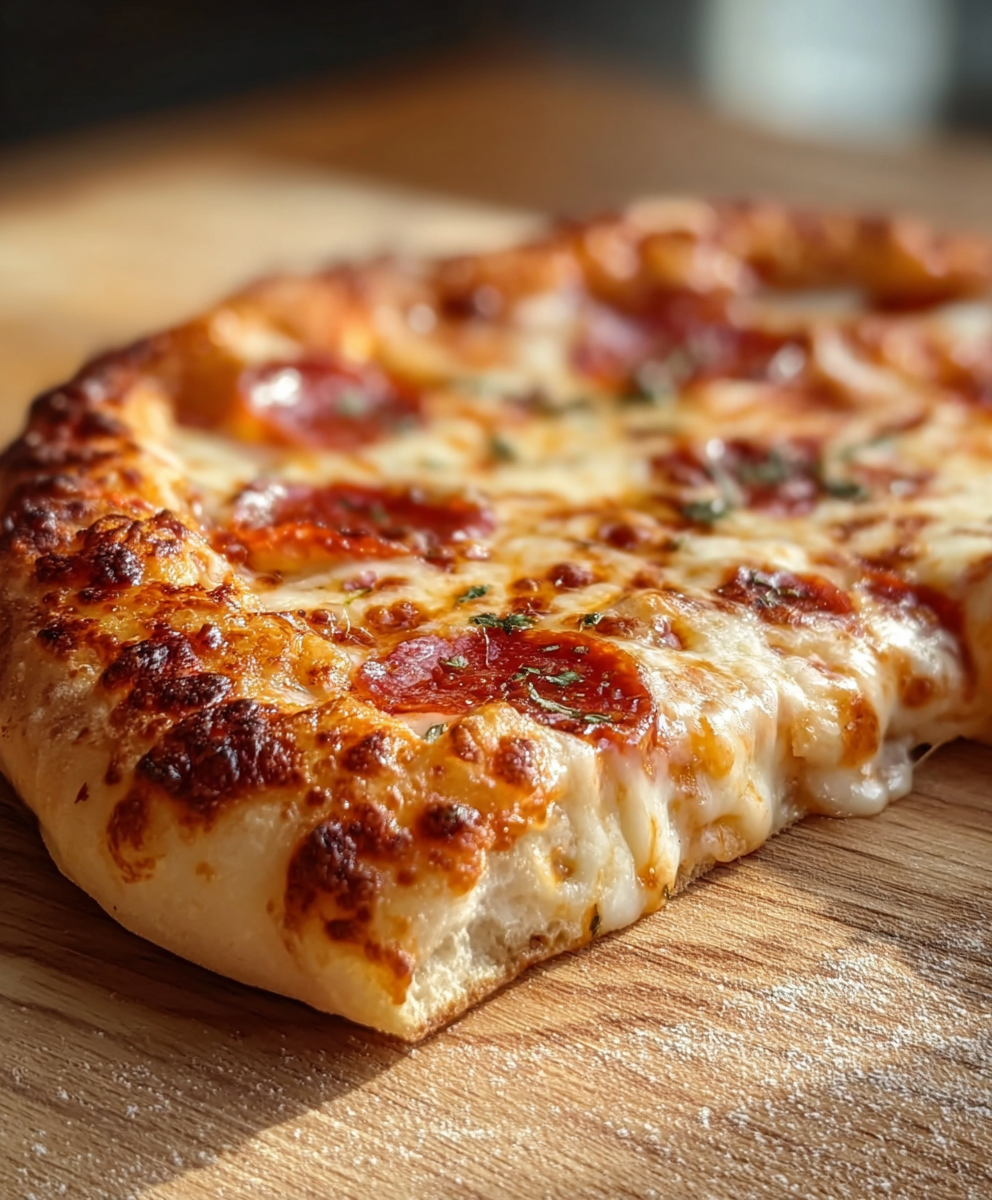
A simple, reliable dough that produces a crispy exterior, chewy interior and those coveted bubbly pockets — perfect for home ovens or a pizza stone.
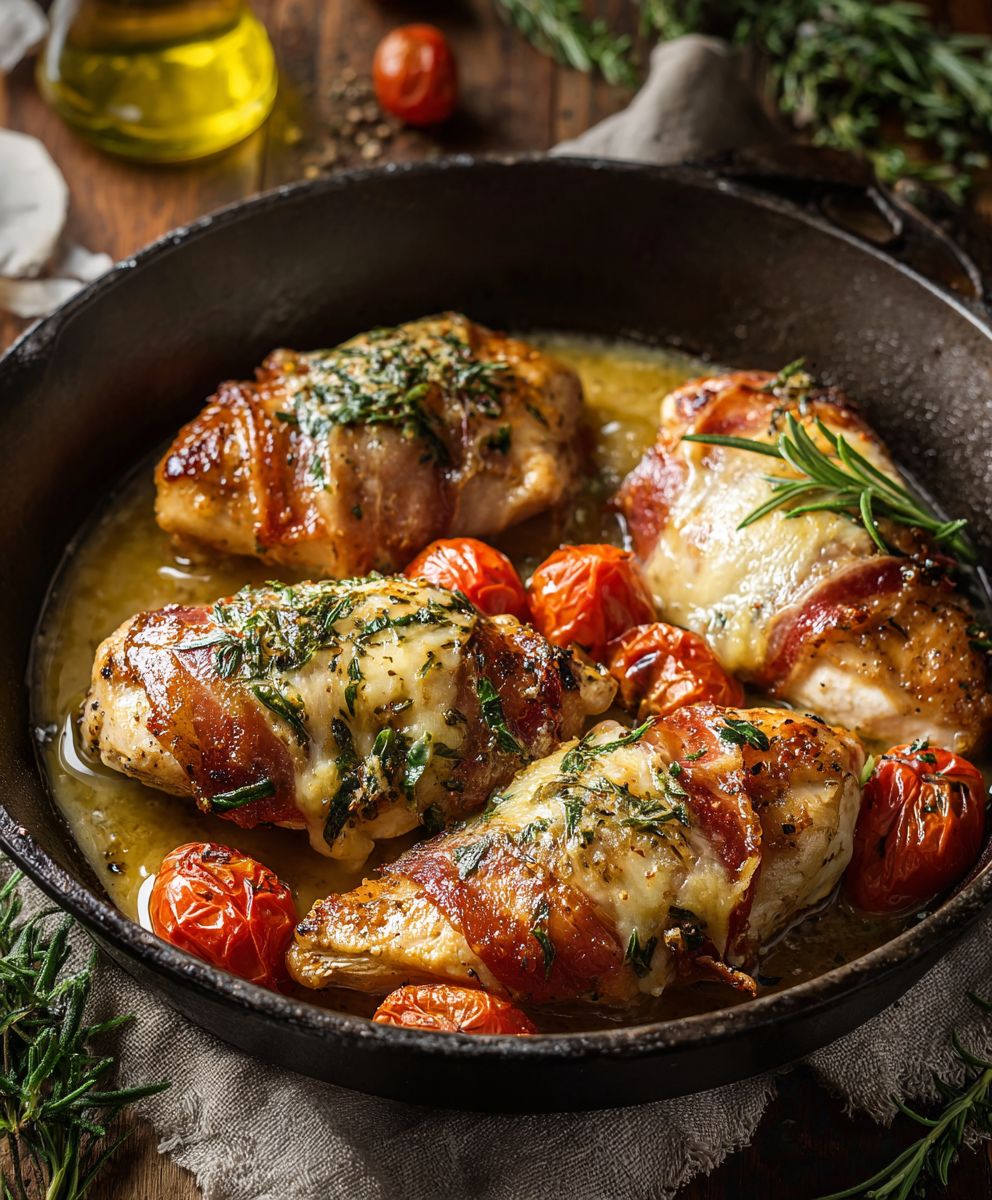
Tender chicken breasts wrapped in prosciutto and sage, pan-seared and finished in a bright wine-and-broth sauce — a quick, elegant weeknight favorite.
Leave a comment & rating below or tag @moodcooks on social media!
Enjoyed this recipe? Share it with friends and family, and don't forget to leave a review!
This recipe looks amazing! Can't wait to try it.
Comments are stored locally in your browser. Server comments are displayed alongside your local comments.

Join to receive our email series which contains a round-up of some of our quick and easy family favorite recipes.