>>
30-MINUTE MEALS! Get the email series now →

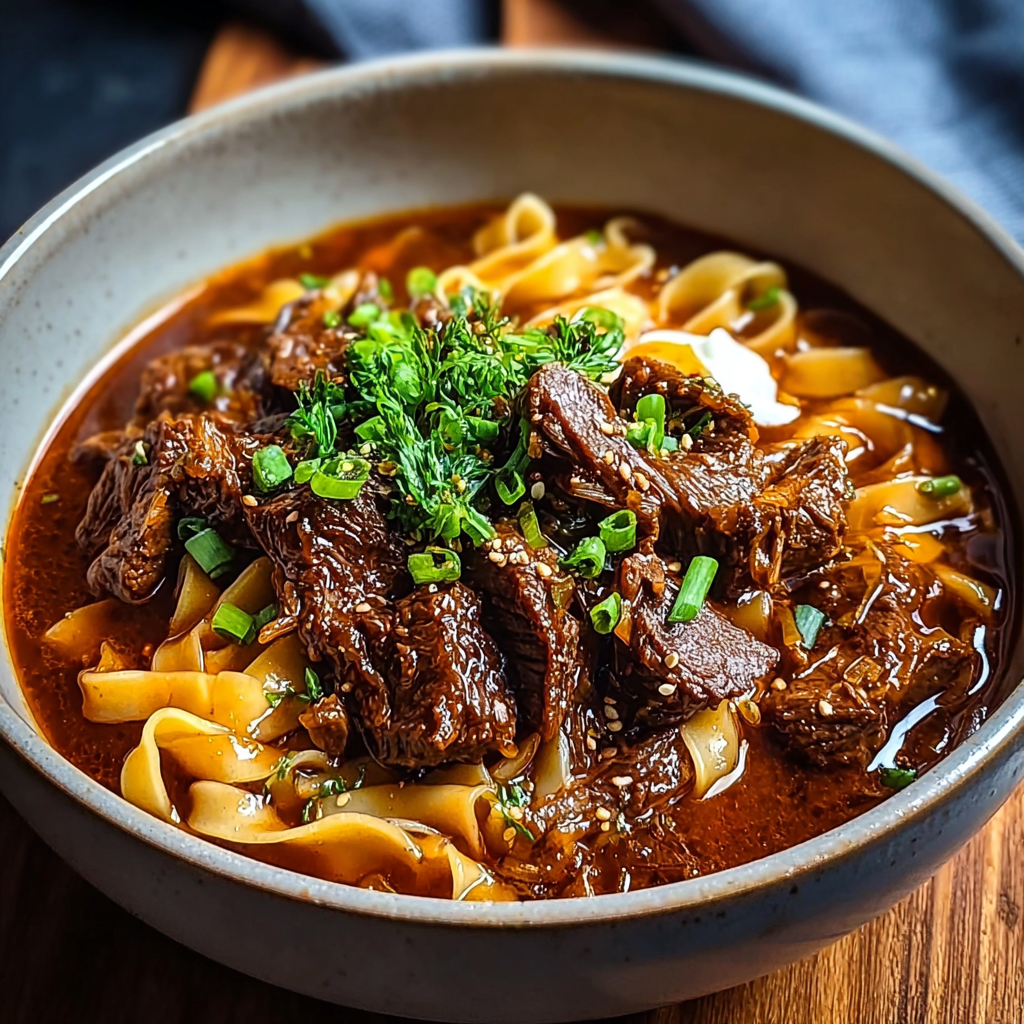
Rich, slow-braised beef in a savory-sweet Korean-style broth served over chewy noodles — a cozy, weeknight dinner that doubles as comfort food and party-worthy fare.
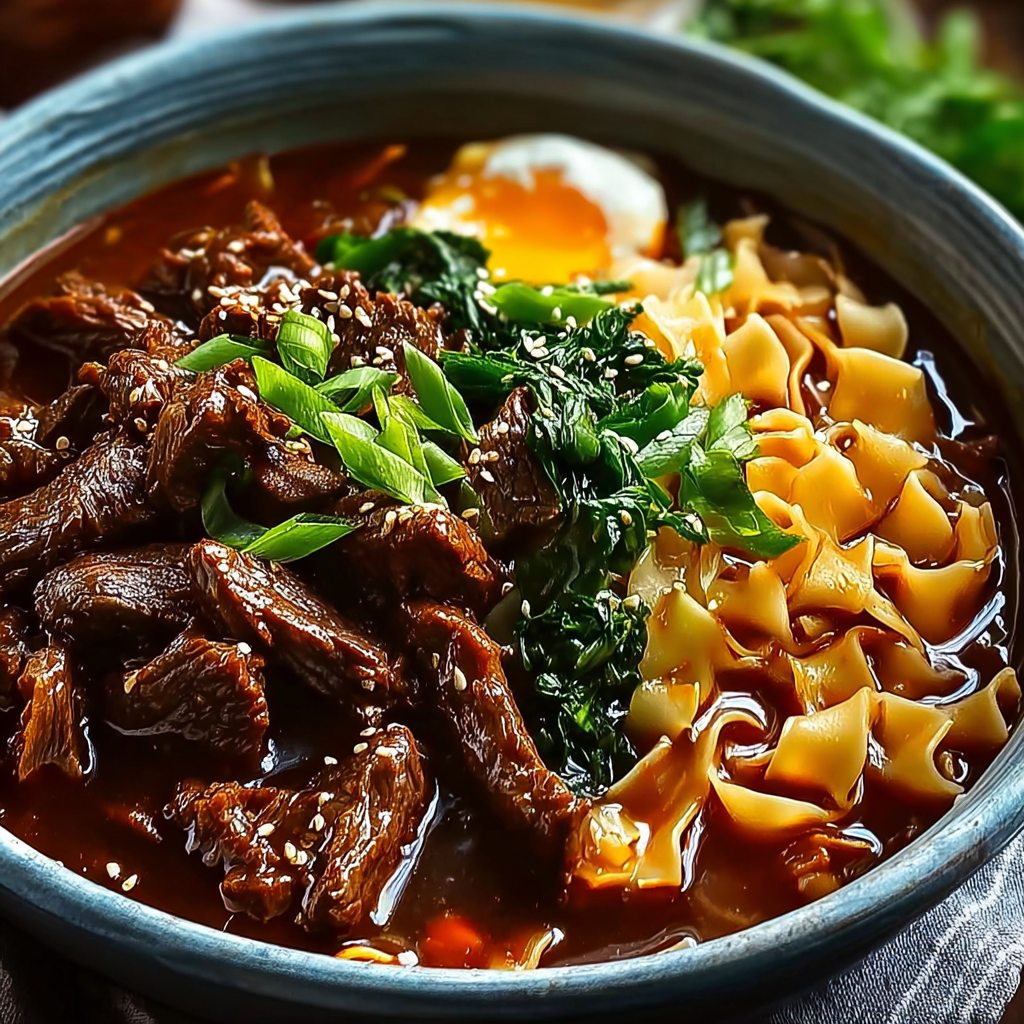
This Korean beef noodles dish has been the one-pot comfort I turn to when I want something that feels both indulgent and deeply satisfying. I first developed this version on a rainy evening when the idea of slow-braised beef meeting a spicy-sweet, umami-rich broth sounded like the perfect antidote to the chill. The beef chuck becomes fork-tender while the broth reduces to a glossy, flavor-packed sauce that clings to the noodles. Every time I make it, the house smells like a Korean restaurant — garlic, ginger, soy — and the family crowds the table hopeful for seconds.
What makes this preparation special is the balance of textures and flavors: deeply savory beef, a caramelized edge from brown sugar, the subtle heat of gochujang, and the bright finish of sliced green onions and cilantro. I love that it’s flexible — you can use fresh udon for a chewy bite or ramen for a slurpy, springy finish — and it scales easily for a crowd. I learned early on that searing the beef well and simmering low and slow is the secret to a silky, restorative broth. Serve it in deep bowls and watch everyone tuck in with chopsticks and smiles.
From the first time I tried a simplified Korean braise, I tweaked ratios and techniques until the balance felt just right. Family members have told me this is their favorite new comfort bowl, and friends have asked for the recipe after one tasting. It’s become my go-to for dinner parties because people comment on how rich it tastes while still feeling homely.
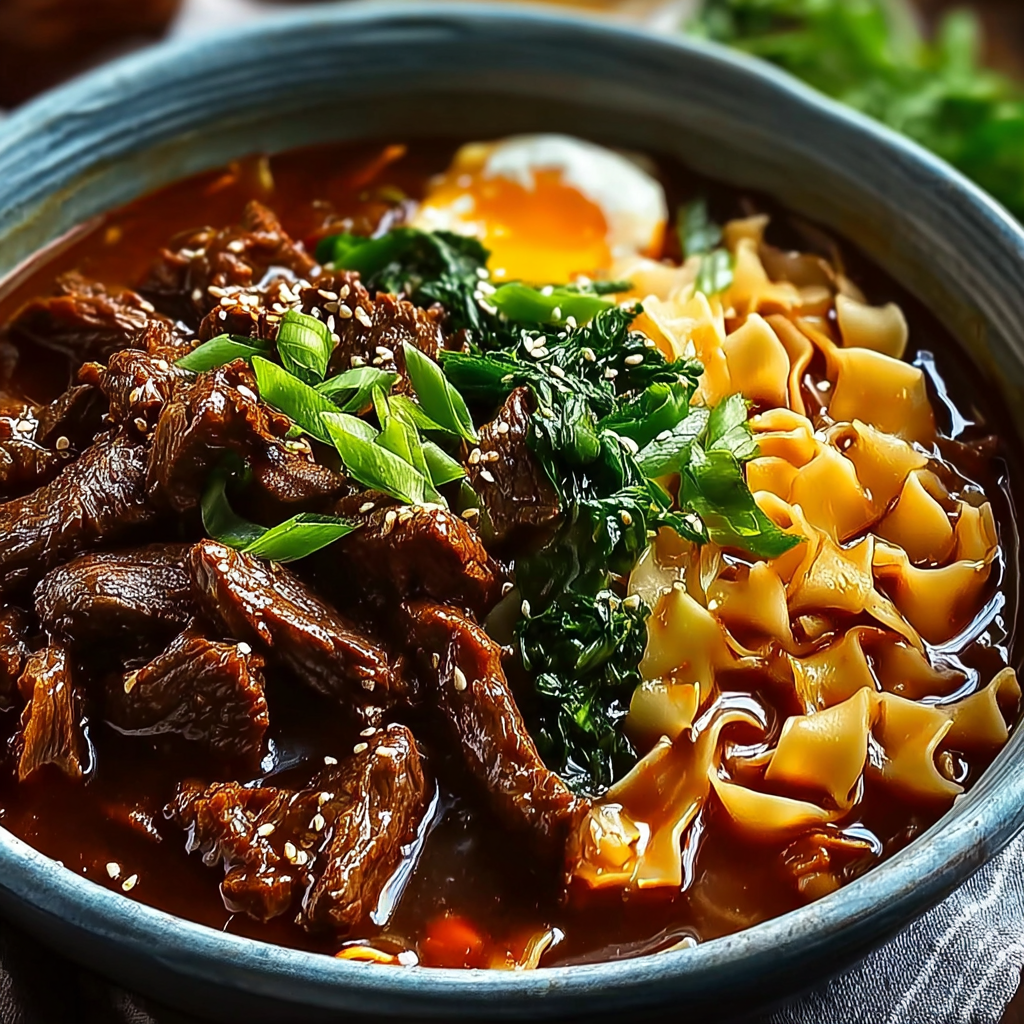
My favorite part of making this is the aroma that fills the kitchen while it simmers. Once, I made a double batch for a small gathering; friends raved and one guest asked for the recipe three times during the evening. It’s the sort of dish that creates memories around the table — casual, comforting, and full of layered, Korean-inspired flavors.
Store cooled leftovers in airtight containers in the refrigerator for up to 3–4 days. If you plan to freeze, portion into meal-sized containers and freeze for up to 3 months. When reheating, thaw overnight in the fridge if frozen, then reheat gently on the stove with a splash of water or broth to loosen the sauce; bring to a simmer to meld flavors. Avoid reheating noodles with the sauce if you prefer fresh texture — instead, store noodles separately and add them when serving.
Short on beef chuck? Use brisket or short ribs for equally rich results; adjust cooking time for short ribs due to bone. If you want a lighter bowl, substitute 1 lb of boneless chicken thighs, reducing simmer time to 45–60 minutes. Replace gochujang with 1–2 tsp of chili paste mixed with a teaspoon of miso for a different fermented depth. For a vegetarian twist, use large portobello strips and vegetable broth with a splash of soy and miso, but expect a different mouthfeel.
Serve in deep bowls with extra garnishes on the side: sliced cucumbers for crunch, a soft-boiled egg for richness, kimchi for acidity, and toasted sesame seeds for nuttiness. This bowl pairs well with a simple banchan spread — pickled radishes, sautéed spinach, or lightly dressed bean sprouts — or serve as a hearty centerpiece with steamed greens on the side.
While this particular bowl is my adaptation, it draws inspiration from the Korean tradition of slow braises and spicy-sweet sauces that marry fermented chilies and savory soy. Gochujang, a staple Korean paste, lends depth and a distinct fermented quality; beef stews and noodle bowls are common comfort foods throughout Korean households and restaurants, with regional variations in spice and aromatics.
In winter, use bone broth and add root vegetables like daikon or carrots to the braise for extra heartiness. In summer, lighten the bowl with blanched greens and a squeeze of lime for brightness, and serve chilled noodles topped with chilled, thinly sliced beef and a room-temperature broth.
Make the braised beef a day ahead to let flavors deepen overnight — it will taste even better on day two. Store sauce separately from noodles to maintain noodle texture, and blitz any congealed fat from the refrigerator top before reheating if you prefer a leaner finish. Portion into microwave-safe containers for grab-and-go lunches; reheat on high for 2–3 minutes, stirring halfway through.
This bowl invites experimentation and sharing: tweak the heat, change your noodles, and make it part of your regular dinner rotation. I hope it becomes one of those dishes you make when you want to bring comfort, warmth, and a touch of Korean-inspired flavor to the table.
Sear the beef in batches to develop deep browning; overcrowding the pan steams the meat and prevents crust formation.
Cook noodles separately and add them to bowls just before serving to keep their texture fresh.
If the sauce becomes too salty after reduction, balance with a teaspoon of sugar or a splash of rice vinegar.
Skim excess fat after refrigerating to create a cleaner broth before reheating.
This nourishing korean beef noodles recipe is sure to be a staple in your kitchen. Enjoy every moist, high protein slice — it is perfect for breakfast or as a wholesome snack any time.
This Korean Beef Noodles recipe makes perfectly juicy, tender, and flavorful steak every time! Serve with potatoes and a side salad for an unforgettable dinner in under 30 minutes.
Pat beef dry, season lightly with pepper, and sear in batches in a hot Dutch oven until deeply browned on all sides. Remove and set aside to build flavor from the browned crust.
Reduce heat to medium and add minced ginger and garlic; cook briefly until fragrant, scraping up browned bits to incorporate into the base.
Add soy sauce, brown sugar, gochujang, beef broth and water to the pot. Return seared beef to the pot, bring to a simmer, and stir to combine.
Cover partially and simmer on low for 90–120 minutes until the beef is fork-tender and the liquid has reduced and concentrated. Skim any foam during the first 30 minutes.
Remove lid for the final 15–20 minutes to reduce the sauce. Stir in sesame oil, adjust seasoning to taste with sugar or soy, and finish until glossy.
Cook noodles according to package instructions, drain and divide among bowls. Fresh udon: 2–3 minutes; dried noodles: 4–6 minutes depending on type.
Ladle beef and broth over noodles, garnish with sliced green onions, sesame seeds and cilantro. Serve immediately for best texture.
Last Step: Please leave a rating and comment letting us know how you liked this recipe! This helps our business to thrive and continue providing free, high-quality recipes for you.
Leave a comment & rating below or tag
@moodcooks on social media!
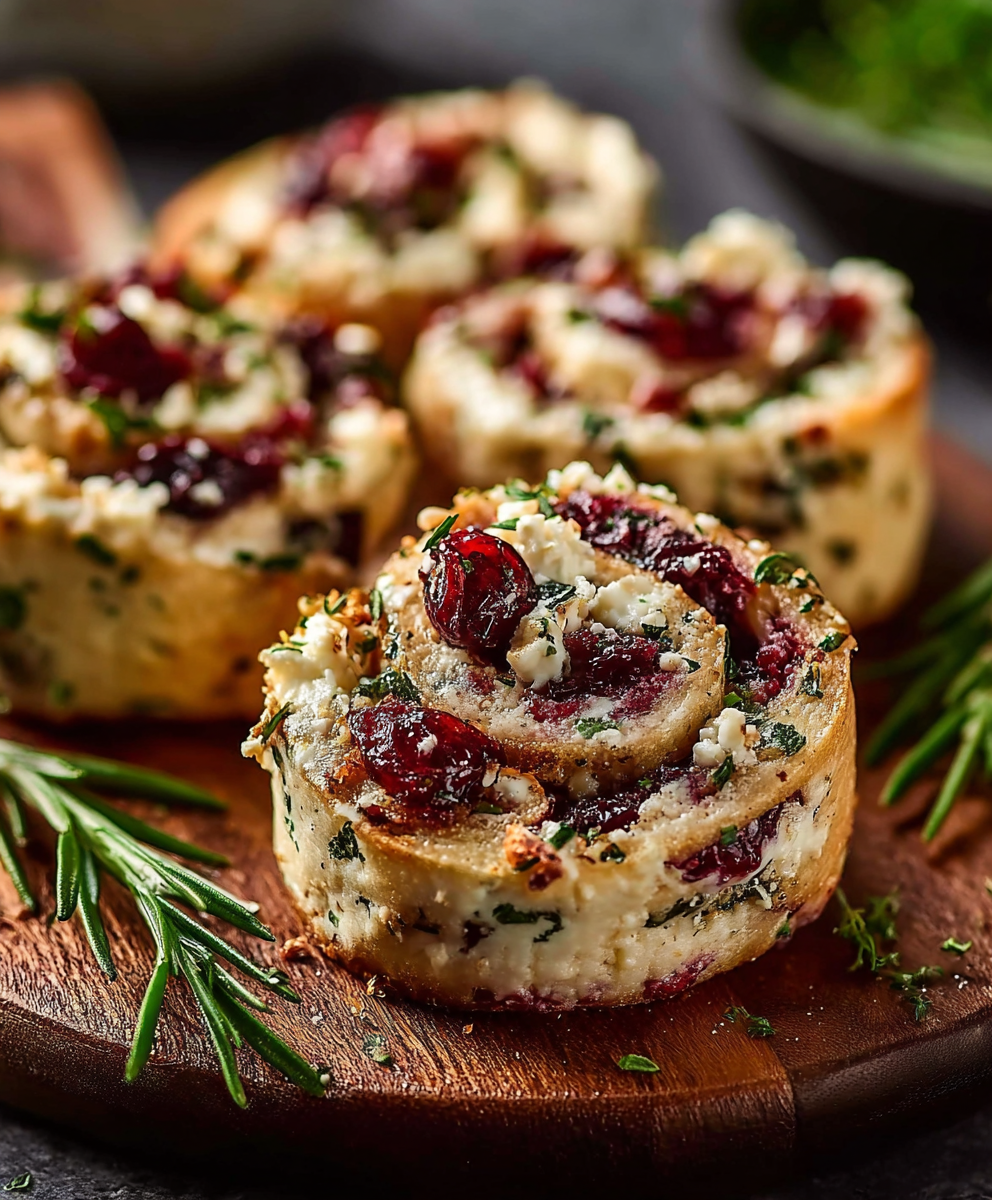
Buttery puff pastry rolled with tangy cream cheese, bright cranberries, salty feta and fresh herbs — effortless, elegant pinwheels perfect for gatherings or a cozy snack.
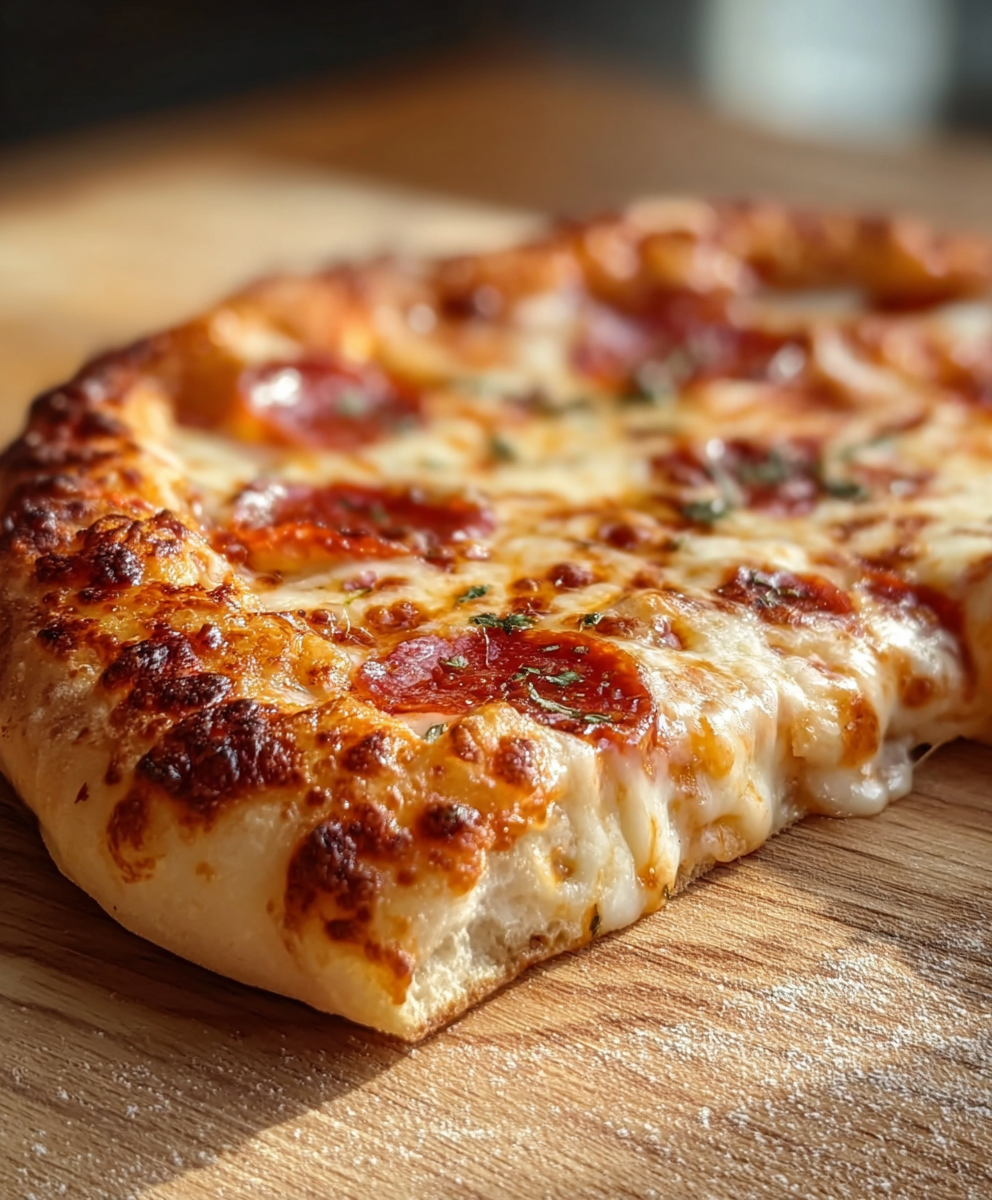
A simple, reliable dough that produces a crispy exterior, chewy interior and those coveted bubbly pockets — perfect for home ovens or a pizza stone.
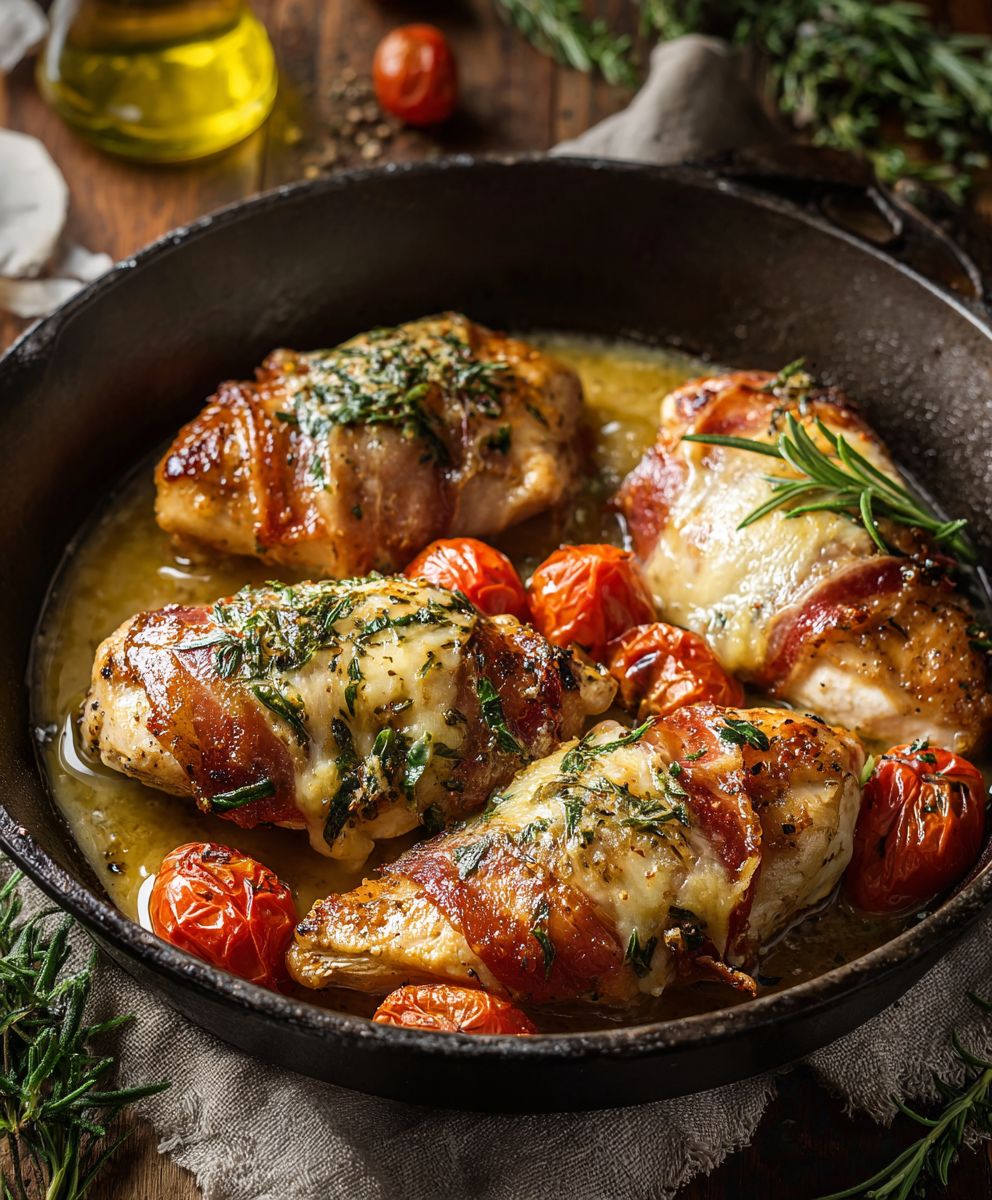
Tender chicken breasts wrapped in prosciutto and sage, pan-seared and finished in a bright wine-and-broth sauce — a quick, elegant weeknight favorite.
Leave a comment & rating below or tag @moodcooks on social media!
Enjoyed this recipe? Share it with friends and family, and don't forget to leave a review!
This recipe looks amazing! Can't wait to try it.
Comments are stored locally in your browser. Server comments are displayed alongside your local comments.

Join to receive our email series which contains a round-up of some of our quick and easy family favorite recipes.